The cheapest AV quote on your desk right now is probably going to become your most expensive event.
I have watched it happen 47 different ways, and the math is almost always the same.
I review hundreds of AV quotes a year. They are almost never comparable on the first pass. One vendor lists 38 line items. Another lists 6. The 6-line quote looks like a steal until the truck shows up and the planner finds out what those 6 lines actually meant.
Compare a final invoice to the original cheap quote sometime. The gap is usually 25 to 40 percent higher than the highest competing bid would have been. You picked the lowest number on paper. You ended up paying more than every other option in the room.

The line items that quietly disappear
There is a quoting trick I see constantly. The vendor leaves things out. Sometimes it is a mistake. Sometimes it is a strategy. The result is the same.
A quote arrives that looks complete on the surface. Four line items for equipment. One line for crew. Looks covered. What is missing? Power distribution. Cable runs longer than 50 feet. The adapters between the laptop and the switcher. The second tech needed to actually run the show. The patch from the house system to your gear.
None of that is on the quote. All of it shows up on the invoice as a change order at day-of pricing, which is roughly double standard pricing because the vendor knows you cannot say no at that point.
I have seen change orders add $4,200 to a $9,800 quote. The planner thought they were saving $3,000 over the next bid. They paid $1,200 more in the end and spent the day of the event arguing about line items instead of running their show.
What “included” actually means
Vague quotes are expensive quotes. If a line says “lighting package” and does not list what is in the package, that line is a trap door.
Here is what scope drift looks like in practice. The planner calls three days before the event and says, “Oh, we added a panel discussion, can you mic four more people?” The detailed quote already accounted for that possibility because the vendor asked the right questions during the walkthrough. The cheap quote did not. So now you are paying for four wireless channels at rush rates plus an extra A2 to manage them.
Every time the event grows by one inch, the cheap quote charges you for a mile.
The gear nobody wants to talk about
Low quotes get to be low quotes for a reason. Usually that reason lives in the warehouse.
When a vendor undercuts the market by 30 percent, they are not absorbing the difference out of generosity. They are sending older gear, mismatched panels, fixtures that have not been serviced in two years, or equipment they sub-rented from a third party at the last minute because they did not actually own what they quoted.
The first sign something is wrong is usually a color mismatch on the LED wall. The second sign is a wireless mic that drops out during the keynote. The third sign is the apology email the next day, which does not refund anything because the contract said “equivalent equipment at vendor discretion.”
I am not saying every cheap quote means bad gear. I am saying the math has to work somewhere, and if the price is below the floor, the gear is usually where the savings come from.

The crew gamble
This one is the quietest cost and the most painful when it lands.
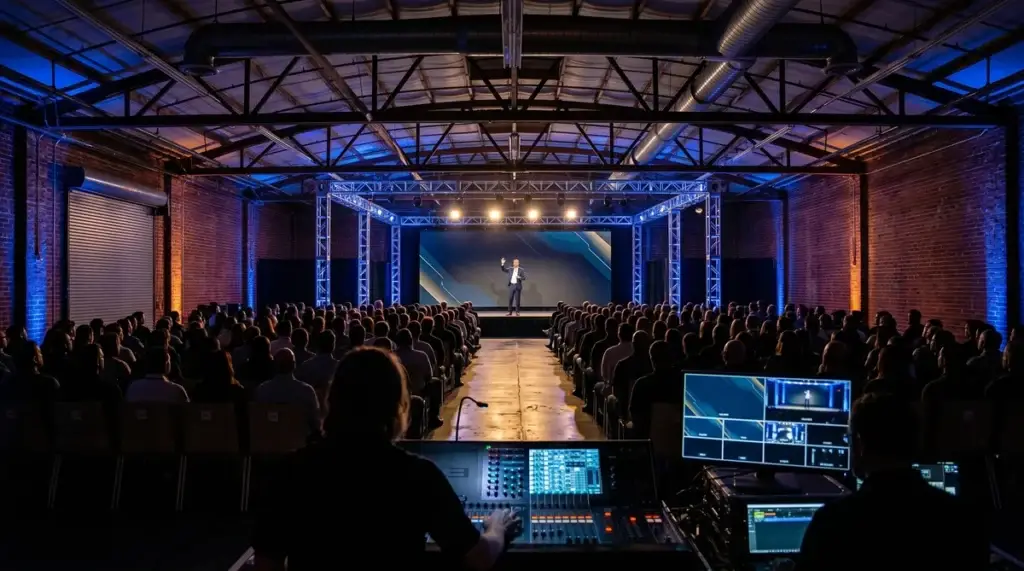
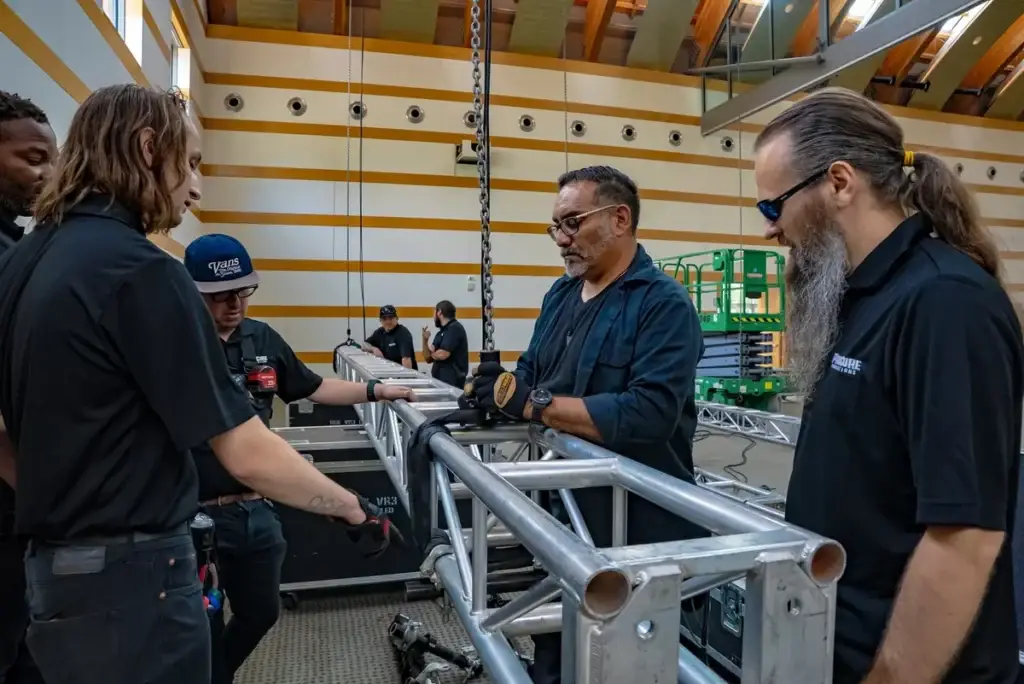
A 200-person corporate event with two breakout rooms, a panel, and a reception needs a specific crew load. Maybe a lead A1, an A2, an LD, a video tech, and stagehands for load-in and load-out. The detailed quote prices that crew honestly. The cheap quote prices for half of it and hopes nothing goes wrong.
Things always go wrong. A presenter shows up with a Mac that has only USB-C. The house power circuit pops because nobody confirmed the amperage. The client asks for a last-minute camera feed to the overflow room. With a full crew, those are 10-minute fixes. With a skeleton crew, those become reasons the program starts 25 minutes late, and now you are explaining to your CEO why the keynote ran into the lunch break.
The cheap quote did not save you money. It transferred the risk from the vendor to you, and you paid for it in the only currency that matters at a live event, which is time you do not have.
The detailed quote tells you the truth
Here is my actual opinion, and people in my industry disagree with me on this. Always pick the most detailed quote, not the lowest one.
A detailed quote is a vendor telling you exactly what your event costs. They have already done the math. They have already thought about the things that go wrong. They are pricing the real version of your event, not the fantasy version where nothing changes between now and showtime.
A cheap quote is a vendor telling you what they need to win the bid. The real price comes later, and you have no leverage by then because the trucks are already loaded and the contract is already signed.
If two quotes come in and one is 30 percent lower with half the line items, the lower quote is not actually lower. It is the same number written in pencil, and the eraser is going to come out the week of your event.
How to read a quote in 90 seconds
You do not need to be an AV person to spot this. You need to count.
Count the line items. Count how many things are described specifically versus vaguely. Count the labor hours and ask whether they cover load-in, show, and load-out. If any of those numbers feel suspiciously small, ask the vendor to walk you through what is not on the page.
The vendor who answers that question without getting defensive is the vendor you want. The vendor who says “everything you need is included” without specifics is the vendor whose final invoice will surprise you.
Cheap quotes are not cheap. They are just quotes that have not been finished yet. The finishing happens on your dime, on your timeline, with your event on the line.